
Judit Darvas
gestalt therapist
“create a clearing in the dense forest of your life”
Martha Postlethwaite
gestalt therapy
Gestalt therapy is usually an extended process of self-reflection and experimentation with the primary objective of raising awareness.
Awareness of how we make sense of the world, of how we engage or disengage in situations, how we impact others and are impacted by others - this is a precursor of change. Once we have gained awareness, we may choose to stick to our habitual solutions or we may seek new ones. Instead of running on autopilot, such awareness allows us the freedom to choose our response in certain life situations.
Our habitual responses all have a function, all have become habitual for a certain purpose, but some may have become outdated in the meantime. While these ways of being were serving us in the past, they are making our lives more difficult, more constricted, more painful in the present. In gestalt self-awareness, we aim to gain freedom in our responses to life’s situations, and not be limited by our outdated and out-of-awareness ways of reacting.
In the non-judgemental, supportive, and confirming presence of a gestalt therapist, one can notice and stay with such ways of being, and can also experiment with alternative approaches. Flexibility, freedom, and an ability to respond to the actual situation (response-ability) can allow the person to form a more congruent relationship with him or herself, as well as with the environment.

gestalt therapy with couples
When dealing with relationship impasses and difficulties, the most important tool of the gestalt approach is recognizing patterns of contacting and expanding the possibilities of being in contact. Here the client is the relationship itself: not the two individuals, but what they create together—what emerges between them time and again.
As couples navigate various life-cycle stages and transitions, the system faces unique burdens that can occasionally lead to a loss of organismic flexibility. When a couple becomes "locked-in" to repetitive and rigid dynamics, persistent conflicts or resentments emerge. The balance between belonging and individuality is in constant motion, but this natural search for equilibrium can be stalled by entrenched assumptions, swallowed family beliefs, unexpressed feelings, and deflections.
The goal of gestalt therapy with couples is awareness—for the couple to understand and experience what is happening between them and how they are creating it together. This awareness can then lead to taking responsibility and deciding what kind of future they want to build for their relationship.
about me
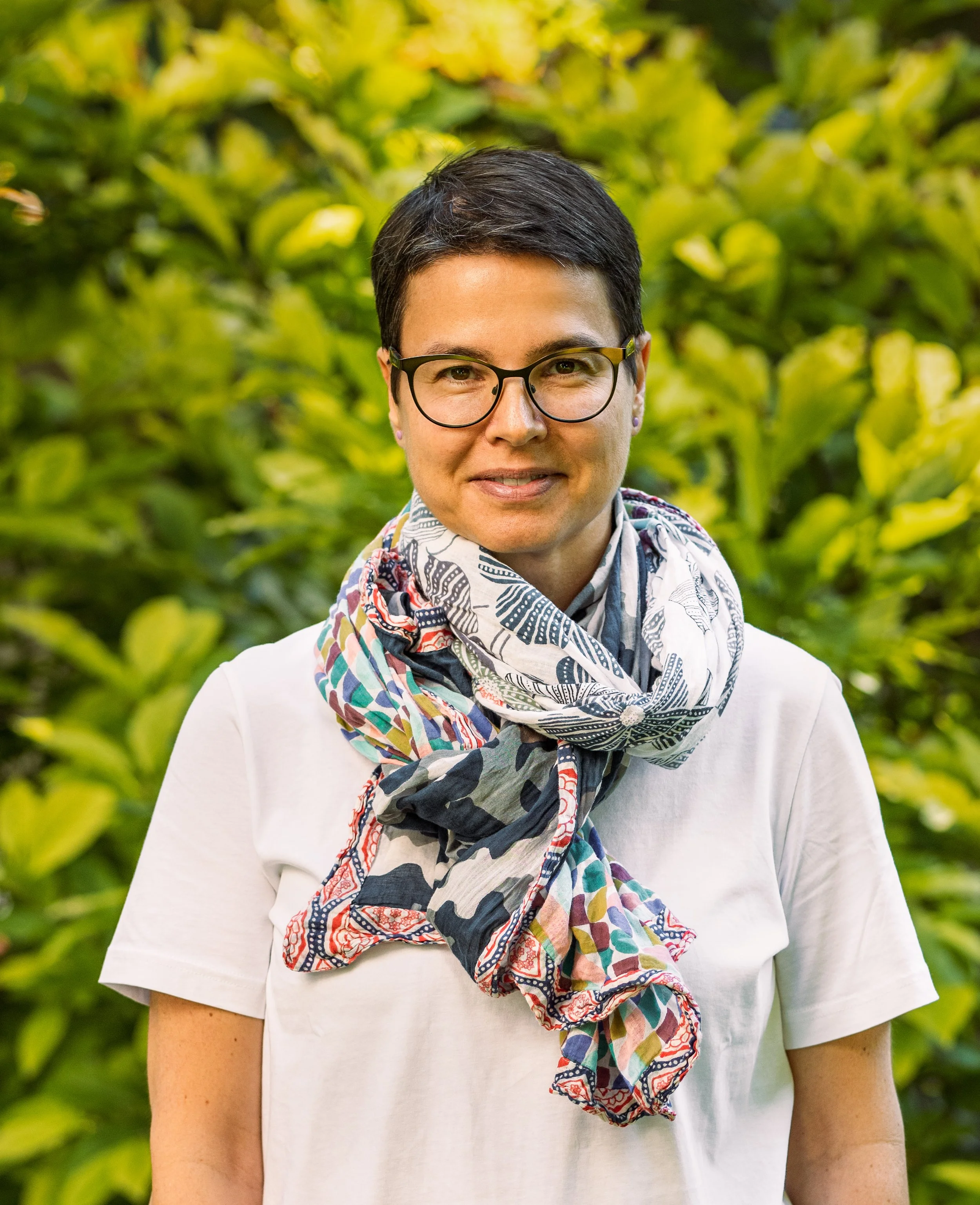
After graduating with an MSc in Economics I started working in the film business. Two decades, three children, a few Himalayan basecamps, lots of mountaintops and a few hundred hours of meditation later I took a turn in the direction of the helping professions. Having trained in several schools of therapy, I currently integrate my background in gestalt therapy with emotion-focused, mentalization-based and family therapy approaches. In my private practice I work with adolescents, adults and families.
My approach is based on the views of humanistic-existential psychology. I believe that everyone has an innate desire and ability for self-realisation, and we all need environmental support for that in the form of attention, approval and appreciation. The key to a self-actualised existence lies in the constant balancing between a sense of security and an acceptance of insecurity. We need stability, but in order to grow, we must also allow for change. Between the two lies our freedom.
Real presence, a non-judgemental attitude, acceptance, trust, respect, belief in the client and empathy are my most valuable assets in the helping professions.
I am a member of the European Association for Gestalt Therapy EAGT and the Hungarian Family Therapy Association. I am listed as a neuroaffirmative practitioner by the Neurodiverz Műhely.